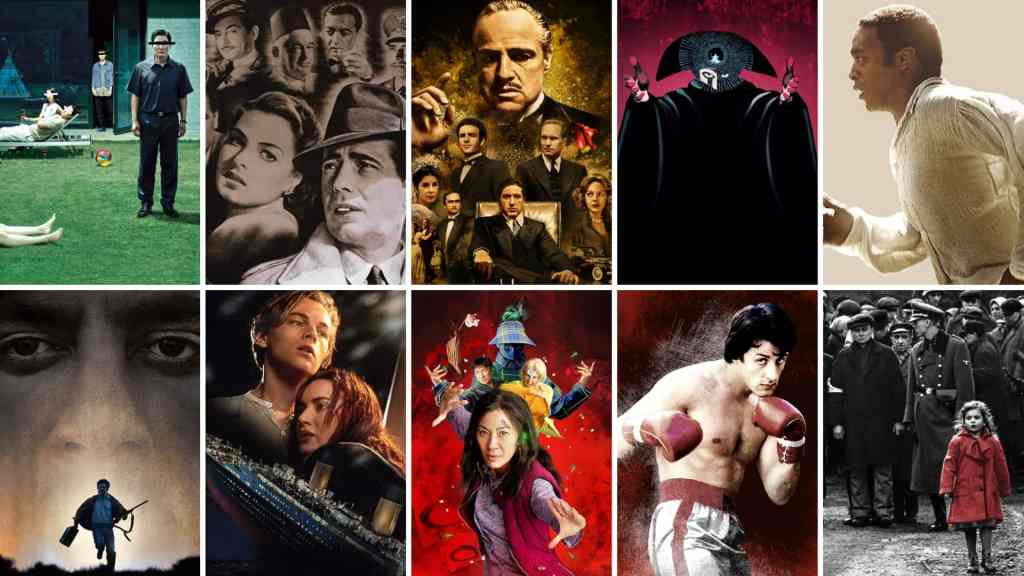
The time is finally here. Oscar season is here, and the 98th Academy Awards are next month, and with all the exciting movies that get to be celebrated, it’s time I give to you what my ten favorite Best Picture winners are. Right off the bat, none of these are meant to be everyone’s pick for what won Best Picture the year they were nominated. In fact, there might have been another nominee that particular year that should have won over the actual winner. A Best Picture winner should be a movie that did everything the best when you put it all together. There are tons of great movies that never even got a Best Picture nomination, yet we still talk about them to this day. Be that as it may, here are my ten favorite Best Picture-winning movies.
#10 THE LORD OF THE RINGS: THE RETURN OF THE KING
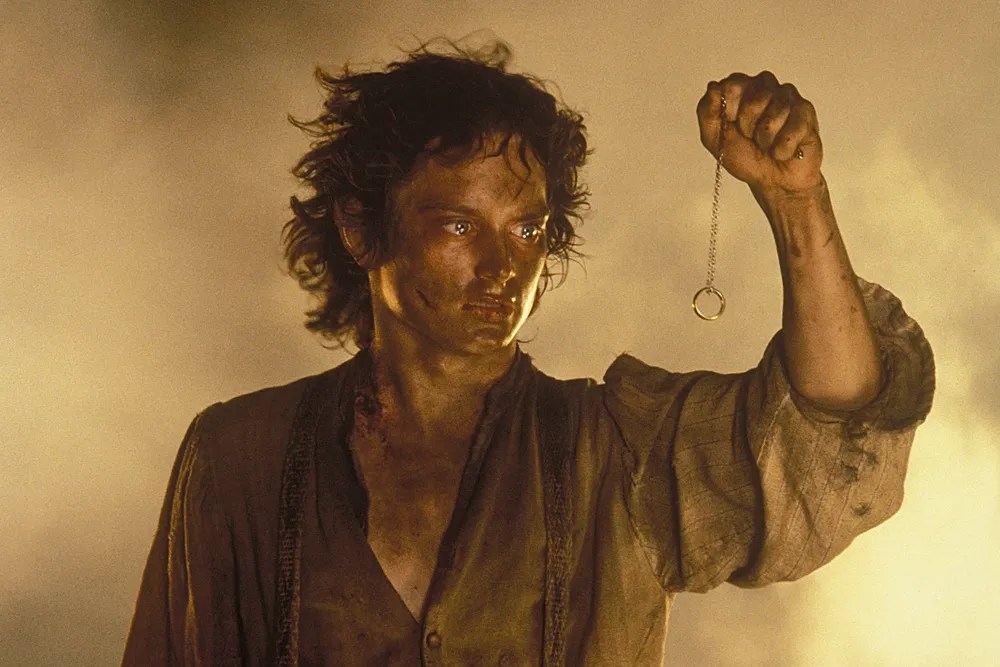
IIt’s a shame to have The Lord of the Rings: The Return of the King is this low on the list because one could argue that while it’s maybe not the greatest movie to win Best Picture, it’s perhaps the single greatest achievement in filmmaking. Not only did it win Best Picture, but it also won for every category for which it was nominated, with a total of 11 nominations. The only other movies to share this record are Ben-Hur and Titanic, which also swept the Oscars for their respective years. The Lord of the Rings franchise was already riding high prior to the release of The Return of the King, but once the third movie came out, it not only joined the very exclusive billion-dollar club at the worldwide box office, but it also joined the discussion as one of the best trilogies ever created in Hollywood. What Peter Jackson was able to accomplish with these movies is immaculate when you consider how much time and effort went into making them. Especially in the realm of a third movie in any franchise or trilogy, the odds of sticking the landing might not be as high because they usually meander from time to time. The Return of the King isn’t one of those examples at all. In fact, it’s just a plain masterpiece from beginning to end.
#9 BIRDMAN
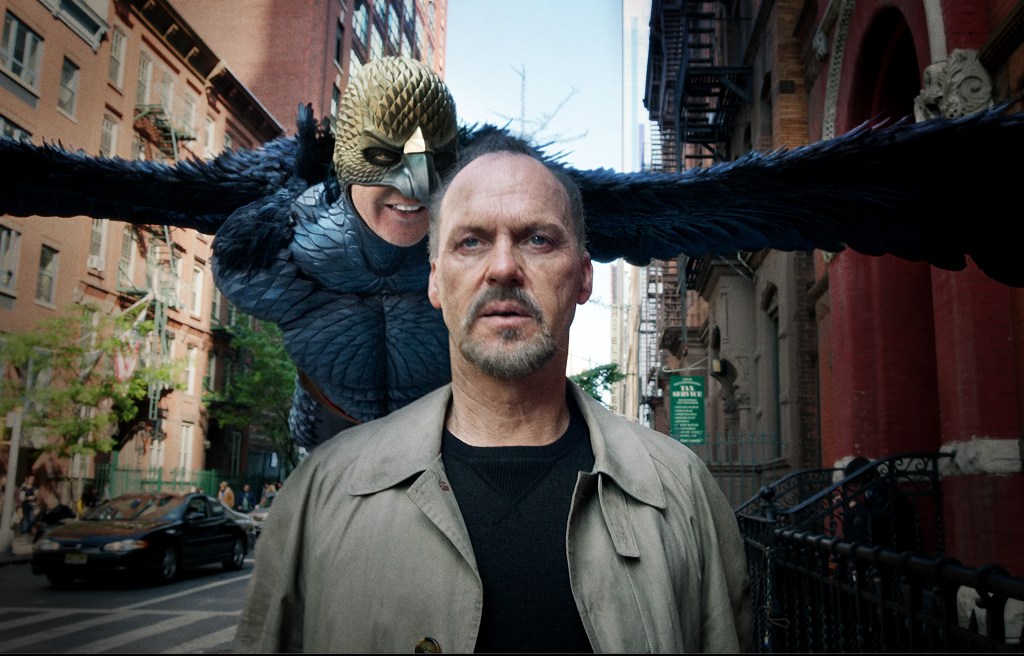
Birdman isn’t just a great Best Picture winner; it’s a great reminder of just how amazing Michael Keaton is. Michael Keaton has always been a personal favorite of mine, not just for his work in Batman or Beetlejuice, but because he’ an actor that can do just about anything. He seamlessly blends into comedy and drama so well that it ultimately feels authentic. He always brings a unique intensity to his roles, and they always evoke a manic gaze. Birdman was such a revolution for Michael Keaton that it essentially brought him back and resuscitated his career in the best way possible. The year after Birdman wins Best Picture, he follows it up with another Best Picture winner with Spotlight. He starred in the underrated biographical drama. The founder just a year after that, and there’s been discussion that his portrayal of Vulture in Spider-Man: Homecoming is one of the best villains in the MCU. What I’m trying to say is that Birdman was the perfect movie for Michael Keaton as an actor and where his career was at during the time it came out. It’s deep, and the social commentary about a washed-up Hollywood actor hits hard knowing that Michael Keaton had practically vanished before the movie came out. Sure, he had some roles in other projects, but he wasn’t getting the push to lead movies like he once did. Birdman delivered that in spades. The only downside that Birdman faced was that Keaton never got his due with winning the Oscar for Best Actor that very year, but to win Best Picture felt like poetic justice.
#8 THE BRIDGE ON THE RIVER KWAI
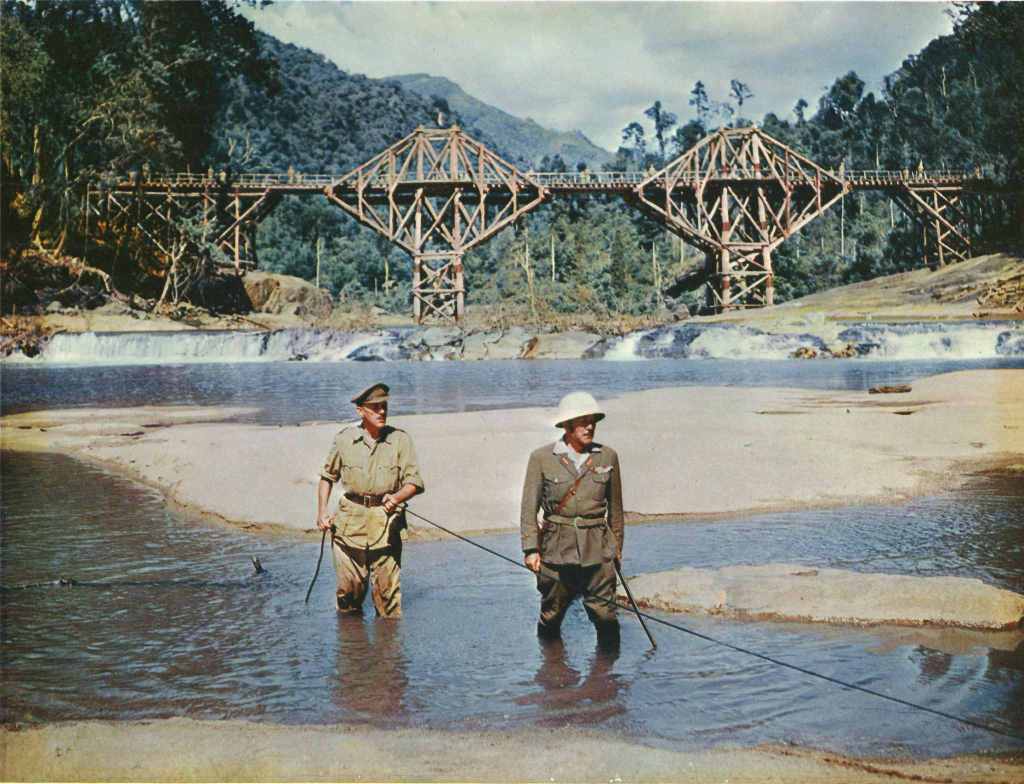
You know what’s so special about The Bridge on the River Kwai? Is that it’s almost entirely fictional? The construction of the Burma Railway as the background was historically true, but everything from the story and even Pierre Boulle’s novel was all made up. Regardless of how accurate it is, The Bridge on the River Kwai is simply one of the greatest motion pictures of all time. Not only is it a great and epic war movie, but it’s also a great example of an anti-war movie by not glorifying war and exploring the ideas of futility and the psychological toll of conflict. What’s even more interesting, and why I think The Bridge on the River Kwai deserves more credit, is that it was directed by David Lean, who also directed Lawrence of Arabia, which also won Best Picture and was Lean’s follow-up film after The Bridge on the River Kwai. Some might prefer Lawrence of Arabia because it might be the generally more popular movie, but The Bridge on the River Kwai is the superior film in every single way.
#7 BRAVEHEART
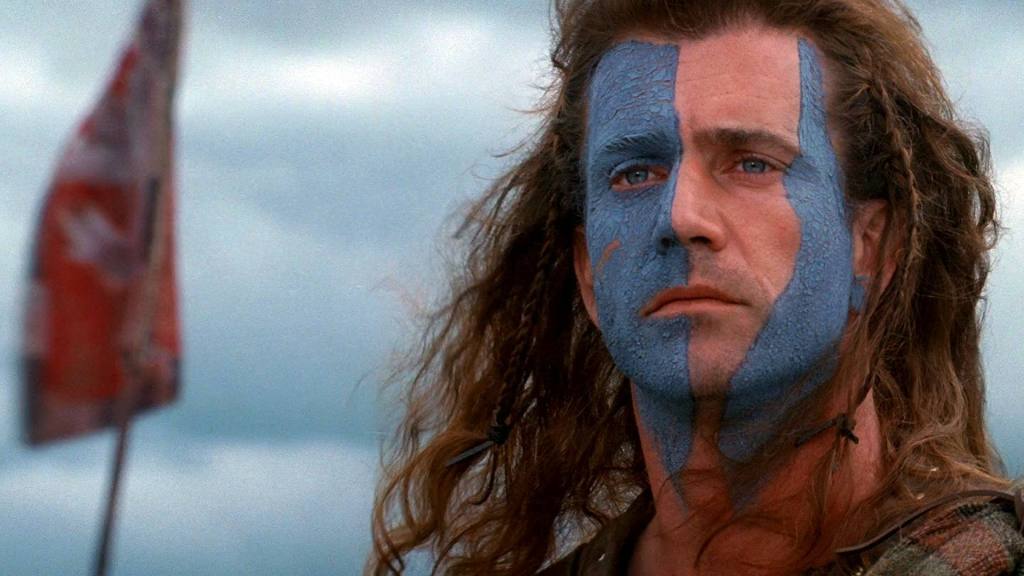
Say what you will about Mel Gibson, but the man is a marvelous storyteller. He’s a gifted actor when he’s in front of the camera, but he’s maybe at his best when he’s the one operating as the film’s director. While Braveheart wasn’t Gibson’s first time in the director’s chair, it’s certainly the one that most people talk about being his crown achievement. After the success of Braveheart, Mel Gibson still found success as a director with films like The Passion of the Christ, Apocalypto, and perhaps his best work since Braveheart in Hacksaw Ridge, but nothing even holds a candle to the movie where people took him more seriously as a competent storyteller. But what’s fascinating is over the years people have ranked Braveheart as one of the worst movies to ever win Best Picture. Not to go on a complete side note, but Braveheart in no way, shape, or form is anywhere close to being one of the worst. Maybe that has something to do with people having a hard time separating Mel Gibson’s personal life from his work in Hollywood. Maybe it is, or maybe it’s not. Bottom line, Braveheart is a marvelous movie from beginning to end.
#6 MILLION DOLLAR BABY
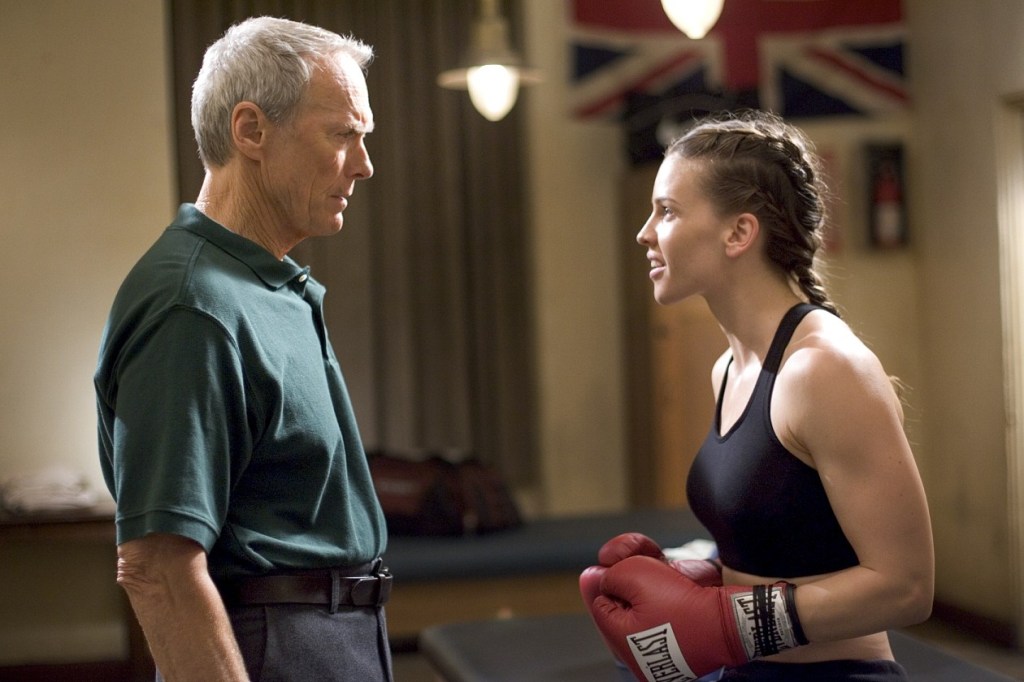
Like Mel Gibson, Clint Eastwood might be a better director than he is as an actor. Maybe the older he got his age was really starting to show with his directing with films like Cry Macho, The 15:17 to Paris or Jersey Boys, but just when you might start to doubt you he puts out a movie like American Sniper. While some might say Unforgiven is the better movie when you compare that they are both Best Picture winners, Million Dollar Baby does something that absolutely gut punches you and leaves far more emotionally captivated than Unforgiven did. Unforgiven is maybe the best western of all time and it’s well deserved of a Best Picture award, but Million Dollar Baby just had something that Unforgiven didn’t is that cuts a bit deeper. It does have a strong layer of emotional devastation, but underneath all that is a boxing movie that transcends the clichés of the specific genre. Sure, it’s a darker and more haunting experience and a “tougher” work of filmmaking, but the ideas of grief, regret, and, ultimately, love are why it feels more worthy. It can give you emotional resonance but also tell a story that is important and feel larger in scale.
#5 12 YEARS A SLAVE
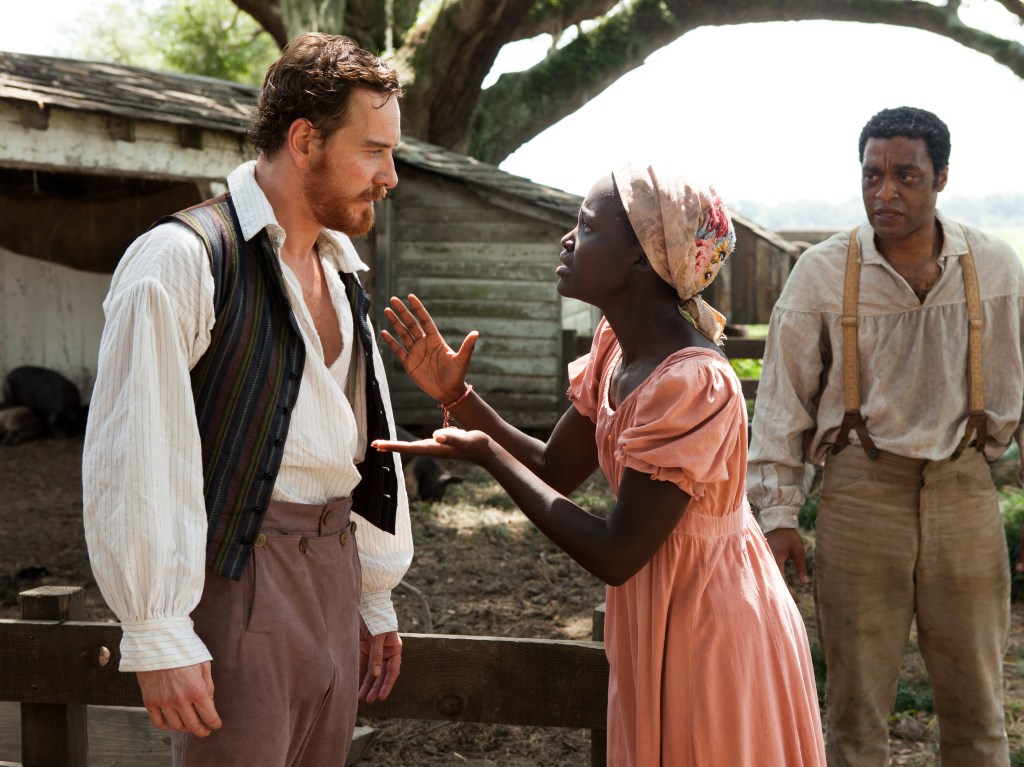
A movie that can tell a great story but also can grant you a piece of history, in this case American history, means the movie did something right. To be fair, there have been a lot of movies that give us an idea of what slavery was like in America. I think we can all agree that slavery is wrong, but to center a movie around that era can and should be an eye-opener for a lot of people. 12 Years a Slave is the definitive movie that depicts what slavery was like and how it was handled in the southern region of America during this time. So much so, it evokes the same kind of feeling people had when watching Schindler’s List, and it’s the idea of how cruel humanity can be towards an entire race of individuals. The horrific realities and the unspeakable truths that this movie showcases are unflinchingly cruel, but despite all that, the artistic excellence that Steve McQueen created with this movie, on all accounts, was extremely powerful and moving. The performances in this movie, particularly from Chiwetel Ejiofor and Lupita Nyong’o are incredible. But perhaps the best performance from the movie is the one that Michael Fassbender gives, which illustrates and paints the darkness and the evil spirits that were prominent in Southern America. The amount of depth that was poured into this movie is the type of movie that should be more reflected on in school and our society as a whole.
#4 AMADEUS
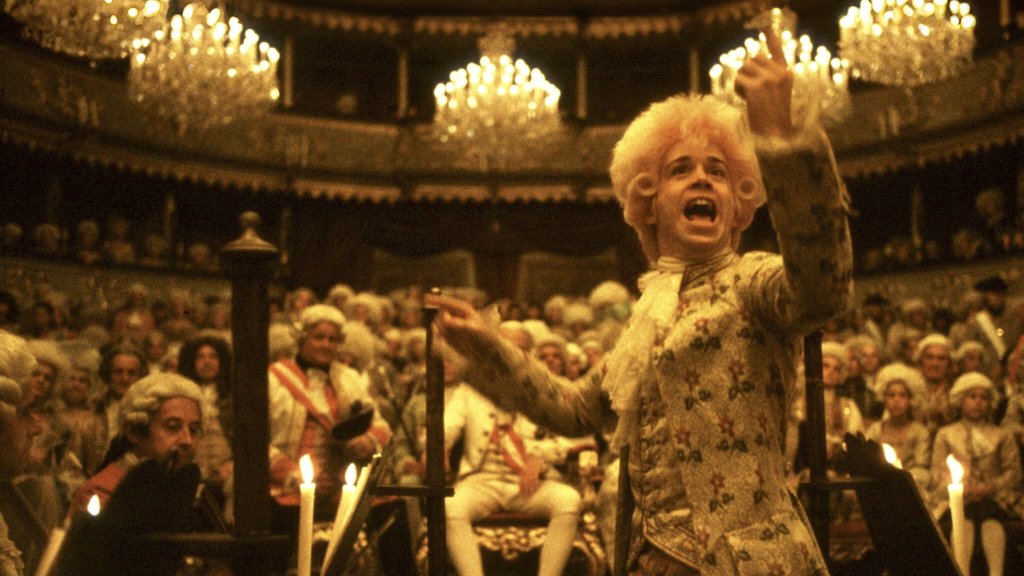
One of the best things about Amadeus is that you can interpret it as an odd screwball comedy. From the other angle, it’s this beautiful Shakespearean tragedy. Everything about Amadeus feels larger than life, whether you’re talking about its terrific production design, memorable performances, wonderful music, or superb storytelling. Amadeus really speaks to an era of music that has created and inspired so much even in today’s culture, and to see a fictionalized rivalry between two of the most important figures in music history, Wolfgang Amadeus Mozart and Antonio Salieri is absolutely thrilling. The relationship between Mozart and Salieri alone gives you the entire package of this movie’s tight 3-hour runtime. It gives you the sense of jealousy, rivalry, and admiration they had. If this aspect doesn’t work, then the rest of the movie doesn’t work.
#3 NO COUNTRY FOR OLD MEN
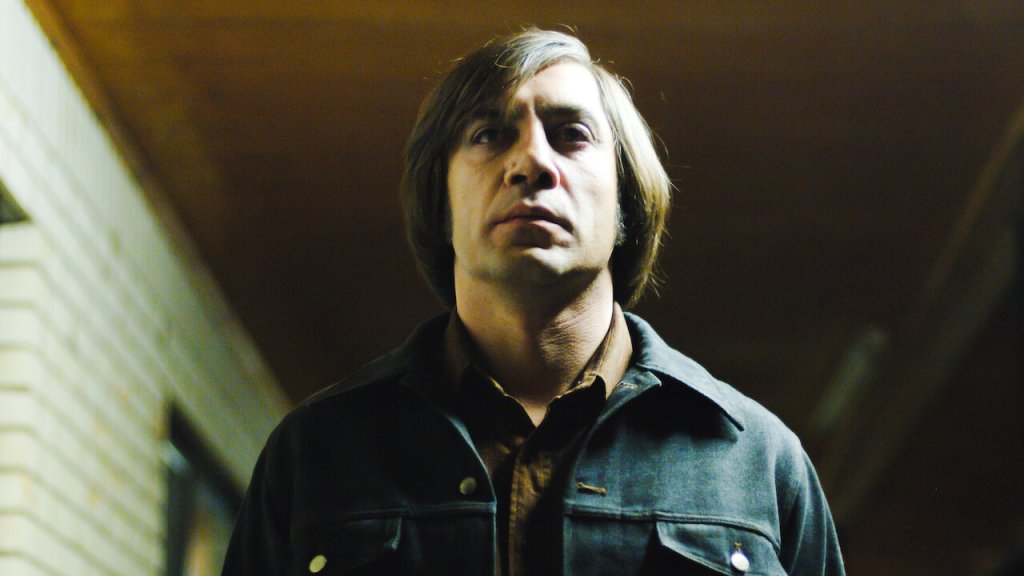
No Country for Old Men isn’t just the best movie made by the Coen brothers; it’s one of the best modern American classics we’ve ever gotten. It’s one of those rare exceptions where the original source material got surpassed by the film adaptation. Cormac McCarthy’s novel is widely beloved, but the movie version is on a whole different level of excellence. No Country for Old Men is a terrific deconstruction of the West, more so the dying days of the Wild West. It’s haunting, gripping, and elegantly made with gorgeous cinematography by the legendary Roger Deakins. The Coen brothers are incredibly known for their versatility by crossing over to different genres, but No Country for Old Men does a lot more and operates on a magnetic level. The complete intensity with each scene and the profound exploration of nihilism and fate add layers upon layers to the overall complexities of the movie. Even the usage (or lack thereof) of no music heightens the tension and adds more realism to the experience. Maybe one of its better and more compelling aspects is that it’s a story about evil winning at the end of the day, and for most Westerns that’s never been the case. The fact that No Country for Old Men was going up against There Will Be Blood for Best Picture in the same year is already pretty historical, and while There Will Be Blood is a brilliant film, No Country for Old Men has the edge for me.
#2 SCHINDLER’S LIST
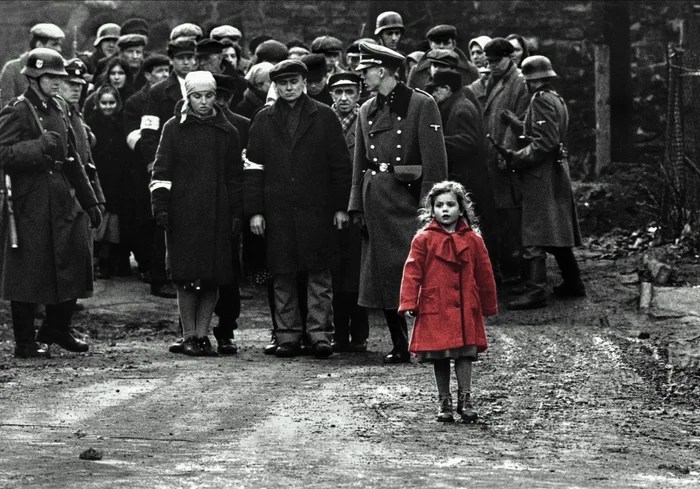
Steven Spielberg is arguably the greatest living or nonliving director of all time. The man has practically done it all across multiple genres for several decades. He gave us great fun and exciting blockbusters in the 70s, 80s, and 90s, and in the latter part of his career, he’s known to change things up a bit by going down a more prestigious path of filmmaking. In the year 1993, Steven Spielberg directed one of the most legendary blockbusters with Jurassic Park, but in that same year he also had his very first Best Picture-winning film, Schindler’s List, which also gave Spielberg his first Oscar for Best Director as well. It’s almost impossible to know where to begin with Schindler’s List because while it’s beautifully made, it’s not the easiest movie to digest. Just like what 12 Years a Slave did for slavery in America, Schindler’s List characterizes the Holocaust in the most confident but heartbreaking way possible. It’s rather sad that the Holocaust has become a polarizing topic in our times currently, but Schindler’s List tells an important and life-changing story that ultimately makes it one of those movies that should be a required watch. Liam Neeson’s portrayal of Oskar Schindler’s transformation from war profiteer to savior, paired with Ralph Fiennes’ chilling, sadistic performance as Amon Goth, creates intense, human-centric drama that gives you something that sticks with you for years. It’s raw with it’s depiction of history but it’s ending still gives you the sense of hope when Oskar Schindler says “I could have got more.”
#1 THE GODFATHER
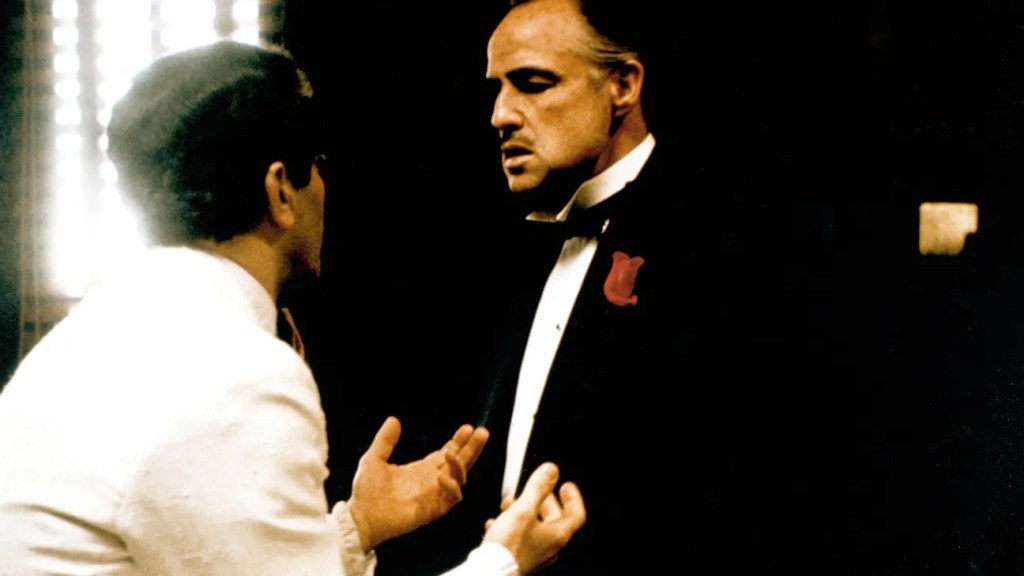
Maybe this isn’t a surprise, or perhaps it might surprise you, but The Godfather isn’t just the single greatest Best Picture winner; it’s maybe the greatest motion picture of all time. You’ll often hear the phrase “They just don’t make movies like this anymore.” And rightly so because there’s a great number of those movies that are from a variety of genres. But they really don’t make movies like The Godfather in the modern age. Some might argue that The Godfather Part II is the better movie because of the addition of Robert De Niro, but that first movie is so significant because every crime or gangster movie that has come out since has had to give credit to The Godfather. Not even within the genre—you talk to most filmmakers today, and they’ll tell you that The Godfather is why they wanted to start making movies. The Godfather recontextualized the gangster genre by pinpointing the ideas of family dynamics, loyalty, and corruption rather than just violence. It’s hard to narrow down who gave the best performance in The Godfather because they’re all stellar. Marlon Brando, Robert Duvall, Al Pacino, James Caan, and Diane Keaton all gave amazing and iconic performances. Whether or not you like The Godfather, it’s a must-watch due to how much of a staple it is in culture.
 Zane's take at the Cinema's
Leave a comment