The idea of a sequel to 28 Days Later, let alone, the idea of a direct follow up seemed almost unfathomable when you consider that it took decades for 28 Years Later to get made. It was becoming one of those announced projects that felt like a dream scenario rather than reality. It was poetic justice for 28 Years Later to bring together, essentially, the entire creative team that made 28 Days Later, but with an entirely different sandbox of actors. Even with the very notion of 28 Years Later being shot on an iPhone 15 elicited the fact of the very first movie being shot on mostly Canon XL1s. Nevertheless, 28 Years Later was a relative hit making $151 million worldwide against a reported $60 million budget. The 28 Days Later film series have never been four quadrant movies but there is an audience for them and they’re vastly different than most horror movies out there, especially for a zombie movie.
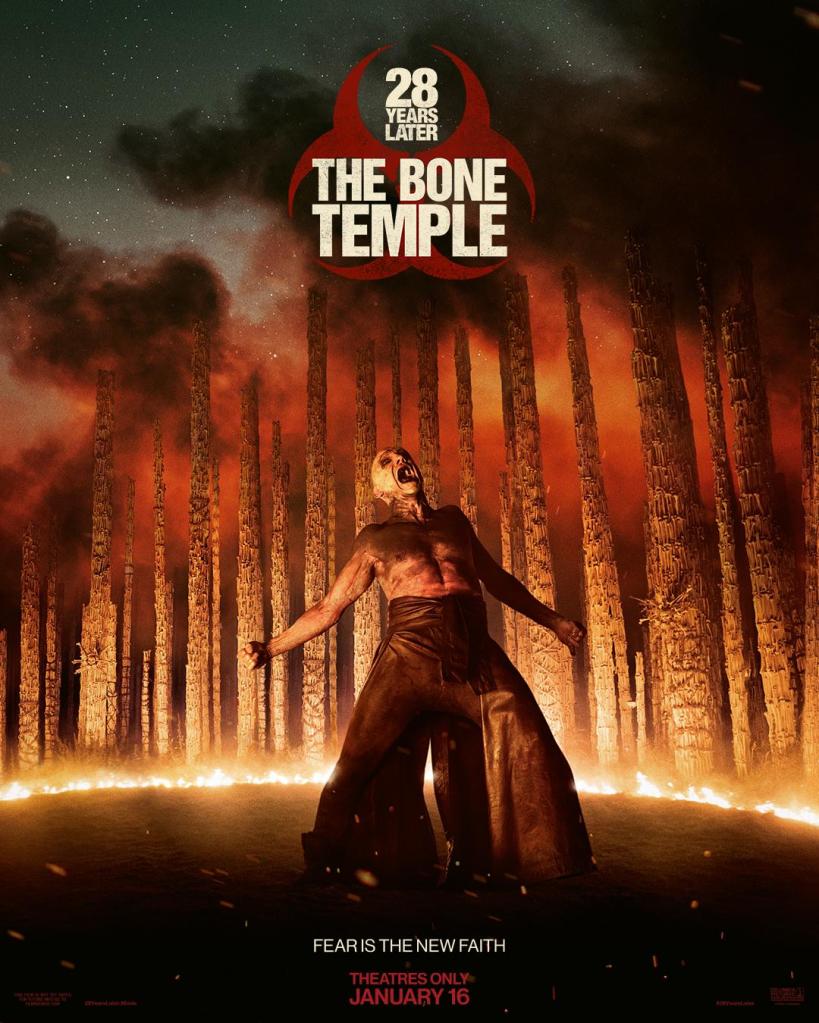
28 Years Later promised us and opened the door for future films and we got out very first one with 28 Years Later: The Bone Temple this past weekend. While the marketing never viscerally hooked the world unlike that very first teaser for 28 Years Later did (which is maybe the greatest piece of marketing material ever), the marketing for 28 Years Later: The Bone Temple was promising enough by showing a new shade in the zombie apocalypse world. Now having Nia DaCosta as the director of this chapter, she amplifies this franchise in ways that almost seemed impossible. Where 28 Years Later brought us back to some familiar territory, similar filmmaking techniques while still expanding the world, 28 Years Later: The Bone Temple goes even more grounded and darker with cults, sickening religious rituals and more importantly that brutal nature of a post apocalyptic life.
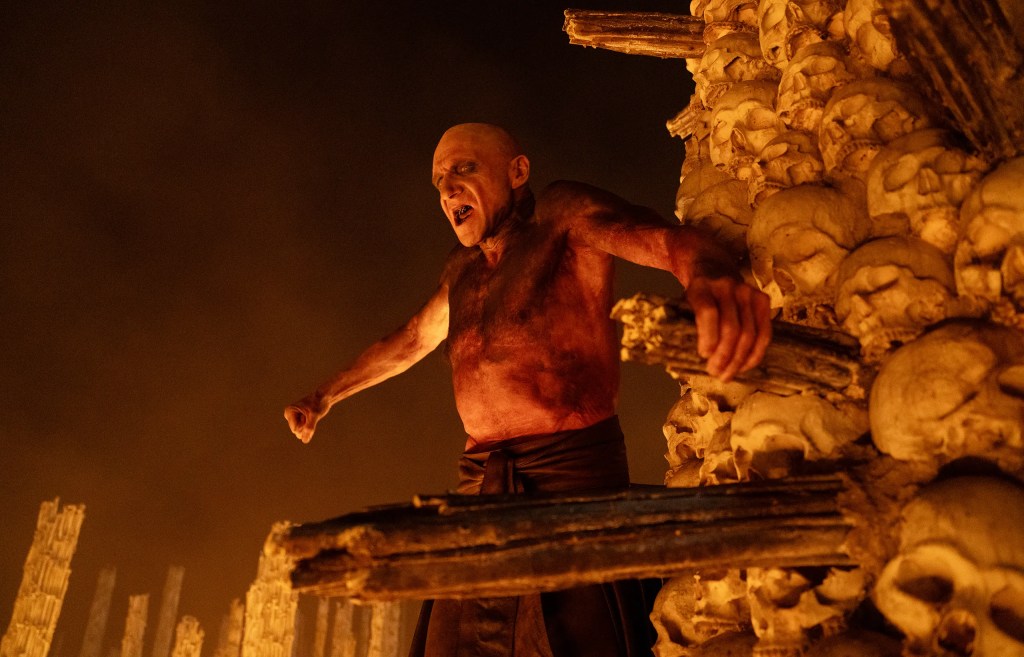
As mentioned, 28 Years Later was built to be incredibly reminiscent of the first movie and maybe that’s the best bet when you’re attempting to do another legacy sequel that wipes away the previous movie (28 Weeks Later). But having a hot and upcoming director like Nia DaCosta, who has shown some grit with horror films like Candyman and last years psychological drama Hedda, is a bold but courageous choice for her to expand her horror roots and storytelling abilities. Nia DaCosta injects some fresh new blood into franchise that’s already riddled with blood and guts, and she does it so effortlessly. Simply based on framework, DaCosta gorgeously shoots this movie that’s not just another carbon copy of the style that was in 28 Years Later. The structure of the actual Bone Temple, the shots of it from far away and up close and the various wide shots are absolutely gorgeous. The pacing and overall direction of this chapter offers some great thrills and terror, but at the same time show a little poignancy and humor that never felt out of place or forced. It makes it different from the previous films, but it also makes it unique in that way.
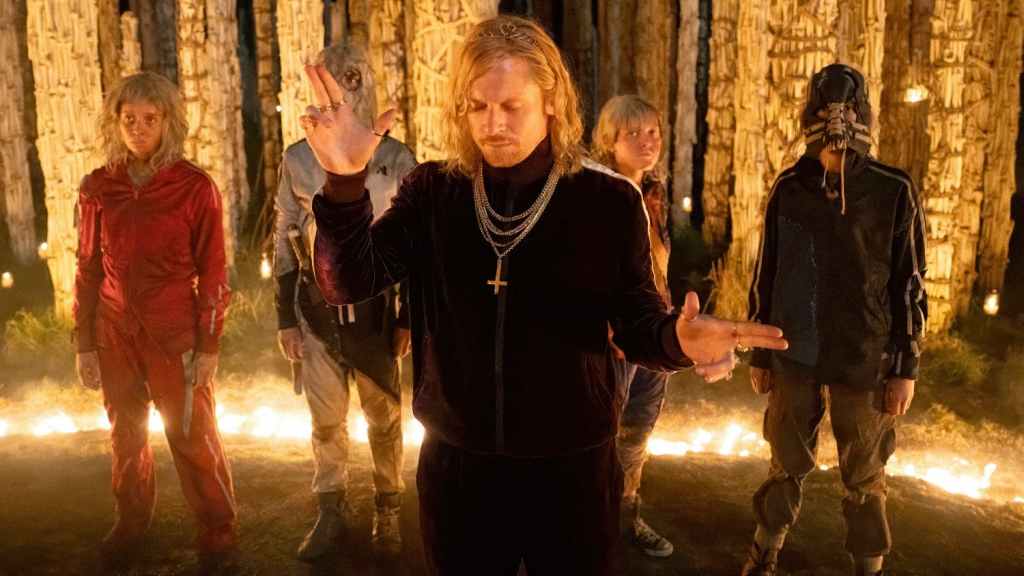
One of the best things about this movie is the themes it explores, which were things that the previous film teased with in doses. Obviously, the ideas of a post apocalyptic environment is the major backbone of any movie like this, but what Nia DaCosta explores more in depth are the ideas of cults, Satanism and toxic leadership. Going beyond the actual zombies themselves, The Bone Temple is less focused on that aspect and more centered on the concept of the destruction of man. The zombies are there and they definitely spark moments of tension, but the real fear is with the cult of Jimmy’s and the consequences of their actions, which are a result of a world like this. It’s a wonderfully layered horror film that begs more questions and leaves us with a plethora of interpretations.
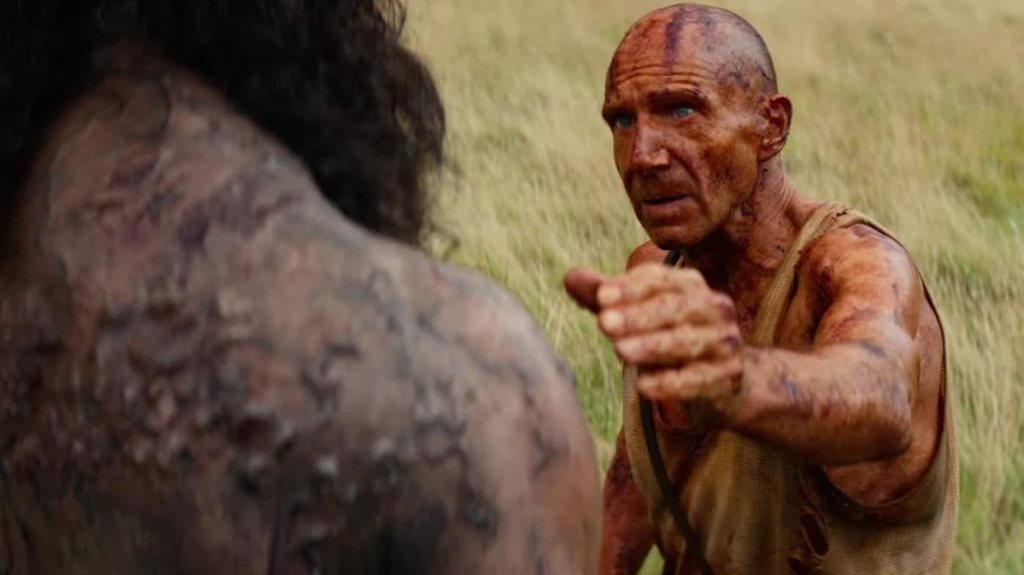
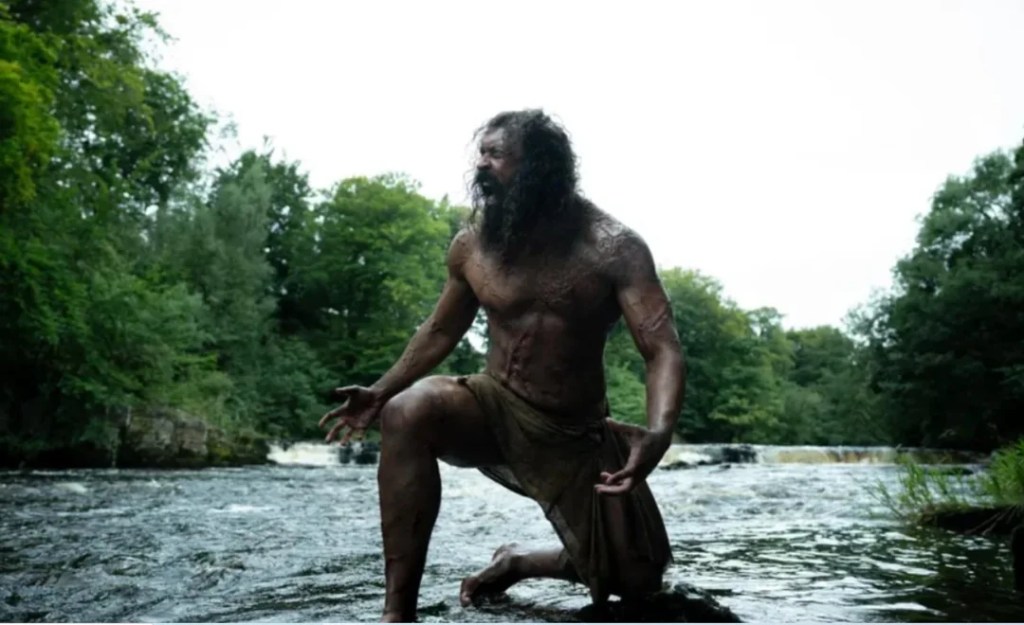
It’s up for debate but Ralph Fiennes continues to prove that he’s maybe the best actor with zero Oscar’s on his mantle. He already gave a great performance in 28 Years Later, but his performance in The Bone Temple is even better. It’s more grounded, comical at times and he’s even more unshackled with his character. Alfie Williams returns as Spike and he gives another solid performance. Even Chi Lewis-Parry as Samson (the Alpha of the infected) was a rich and cavernous character that’s given more things to play around with. Plus, he gives an exceptional performance. Something that ended up becoming a head scratch at first glance was set up at the very end of 28 Years Later was Jack O’Connell’s character and his cult of Jimmy’s. Taken out of context, it was a bit of a tone shift at the end of 28 Years Later and it was very uncertain as to what direction these characters would go down. In The Bone Temple, not only does Jack O’Connell give a terrifying performance, the cult of Jimmy’s give the film a whole other layer of dread.
If you were to go back in time, maybe about 10-15 years or so, and told someone that we would get quality movies in the month of January, people would probably laugh at you and rightfully so. January, for the longest time was considered a dumping ground for any wide release. The holidays are over at that time and it’s back to the grind for a lot of people so any movie that got released were incredibly subpar. That narrative has started to change its course over the last several years and movies like 28 Years Later: The Bone Temple speak to that movement.
 Zane's take at the Cinema's
Leave a comment